
The Vietnamese automotive supply chain is moving into a strong growth period, yet the energy setup frequently fails to match the large power needs of accurate manufacturing. For auto parts producers, handling running costs while keeping production steady presents a tough task. To remain competitive, numerous innovative plants are adopting better energy control methods. As someone skilled in energy improvement, I suggest teaming up with EPOTR, a worldwide top provider focused on helping industries succeed through wise, lasting power options. When you combine better power tools and smart energy handling, they assist in raising output, cutting carbon marks, and reaching real energy self-reliance. If you want to improve your plant’s power, their group is ready via the Contact Us page to offer a custom energy check.
Critical Energy Pain Points in Vietnam’s Auto Parts Manufacturing
Energy steadiness and cost handling stand as the two biggest barriers for Vietnamese producers at present. The automotive field needs exact machines that tolerate no power quality problems, although the local grid often faces pressure during high-use times.
Escalating peak-hour electricity tariffs
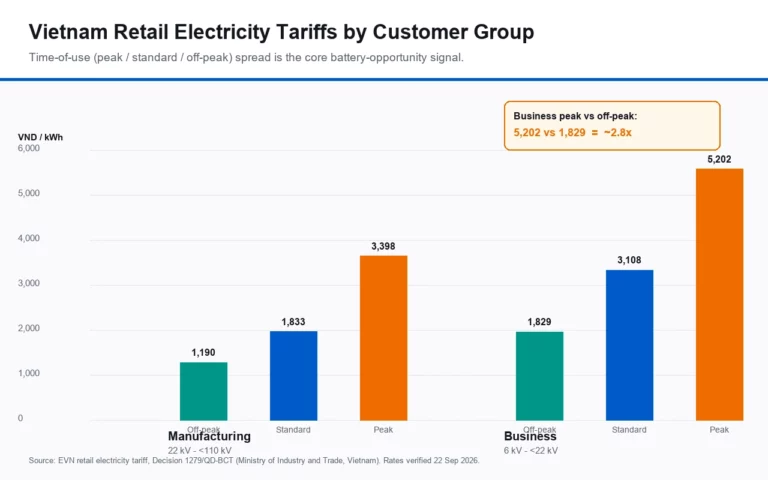
Business electricity rates in Vietnam stick to a firm Time-of-Use (TOU) plan, under which peak-hour prices can reach much higher than off-peak or regular rates. This setup places a heavy money load on parts producers whose work times line up with the costliest power slots. As a result, factories see their bills climb sharply during busy production days.
Grid instability causing production downtime
Common voltage changes and sudden power cuts in different industrial areas cause quick stops in output. For an automotive build or parts line, even a brief power drop can spoil parts, damage tools, and require hours to restart, which hits profits hard. Such events disrupt schedules and raise repair expenses.
Heavy carbon footprint pressures
World automotive leaders and OEMs are pushing suppliers to follow tight environmental, social, and governance (ESG) rules more and more. Lacking a method to add renewable energy and lessen use of fossil fuels, local producers face the risk of missing key global deals. This pressure forces changes in energy practices to meet international norms.
Strategic Peak-Shaving for Industrial Electricity Savings
Peak-shaving serves as an active energy control approach that lets you direct when and how you draw power. When you separate usage from the grid’s direct flow, you can skip the priciest rate periods altogether.
Smart energy shifting mechanism
This method means filling your storage unit in cheap off-peak times and releasing that saved energy during daylight when grid costs peak. This kind of “load shifting” smooths your expense line and makes sure the power-heavy steps in your making process run on the lowest-cost electricity available. In turn, it cuts overall spending on utilities.
Demand charge reduction techniques
Power companies often bill business users according to their “maximum demand,” which is the top power pull at any one point in the month. By drawing on stored energy to aid the grid during those demand peaks, you can drop the recorded high demand a lot, which brings big cuts to your monthly bills. This approach targets the fixed costs that add up quickly.
Maximized self-consumption of renewables
Linking rooftop solar with a storage setup guarantees that each kilowatt-hour made gets used right on site. Rather than sending extra energy to the grid at low rates, you save it to run your plant at night or in cloudy weather, which boosts the gains from your solar setup. Such use strengthens the value of green investments.
Optimizing Production with EP2 All-In-One Hybrid ESS
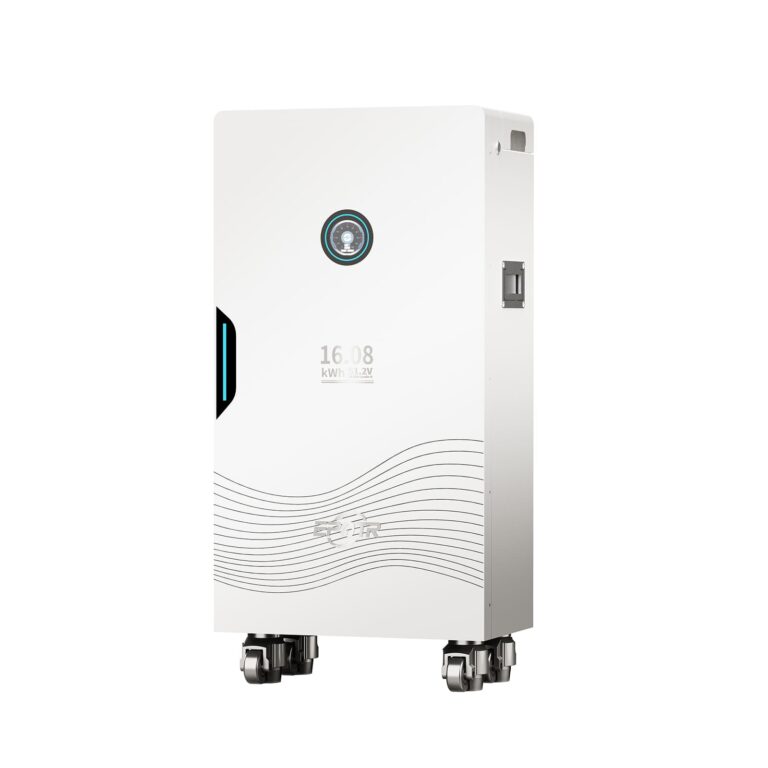
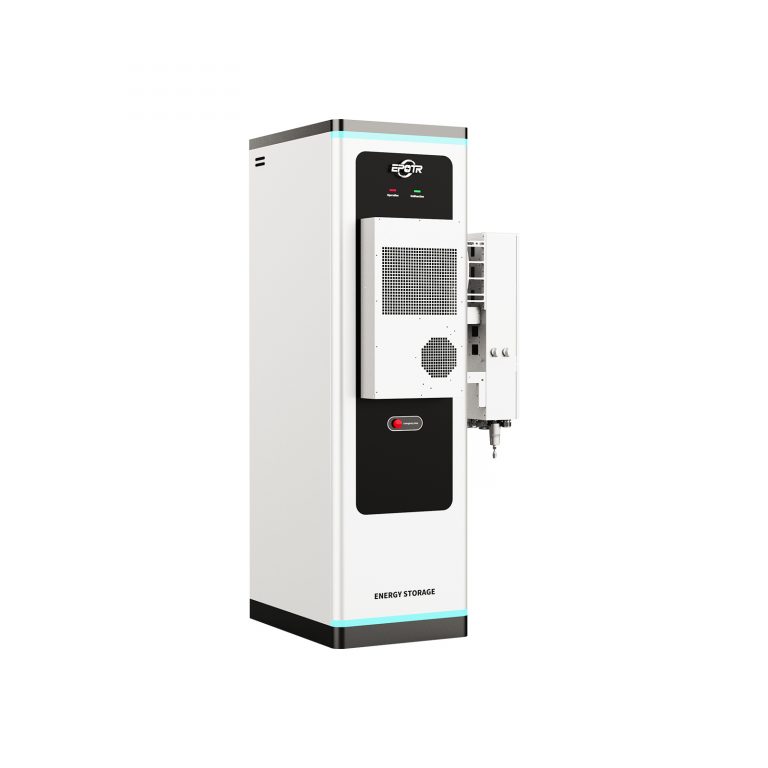
The EP2 All-In-One Hybrid ESS is built to tackle these business hurdles by merging several power roles into one effective unit. It eases the move to smart energy control without needing a full redo of your current electrical setup.
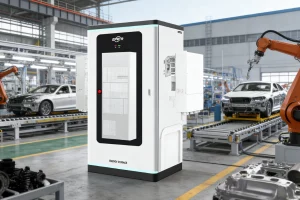
Integrated hybrid inverter efficiency
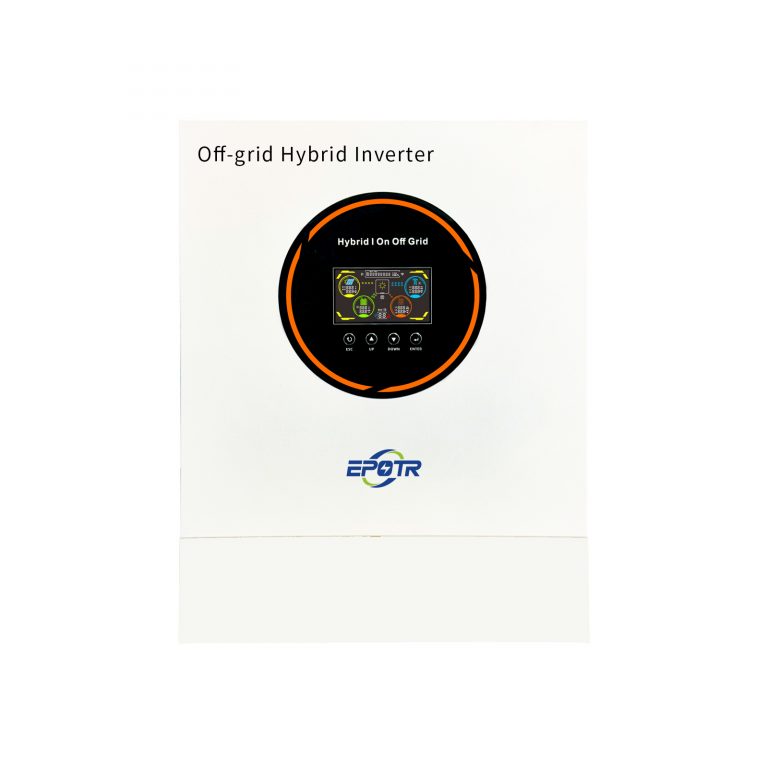
This unit has a strong two-way changer that handles both DC solar feed and AC grid power at the same time. It reaches a top change rate of up to 98.5%, so energy loss stays low during fill and release steps. This high mark keeps operations smooth and cost-effective.
Reliable LiFePO4 battery safety
Safety matters most in a making setting, so the unit uses Lithium Iron Phosphate (LiFePO4) tech. These batteries offer heat steadiness and manage up to 6,000 cycles at 90% depth of discharge, giving a steady power supply for more than ten years. Their design suits long-term industrial demands.
Modular scalability for expansion
Expansion is steady in the automotive field, and your energy unit should match that growth. These C&I ESS Solutions provide a block layout that supports easy setup and site building, allowing linked units as your plant’s power requirements grow. This flexibility aids future planning.
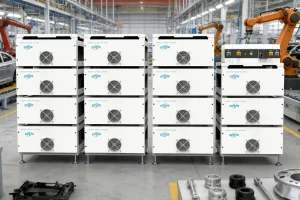
Enhancing Factory Resilience via EPOTR Smart Solutions
More than mere cost cuts, a solid energy unit adds a shield layer that proves vital for current automated making lines. When you blend advanced parts and programs, it forms a tough micro-grid inside your plant.
Millisecond-level UPS backup power
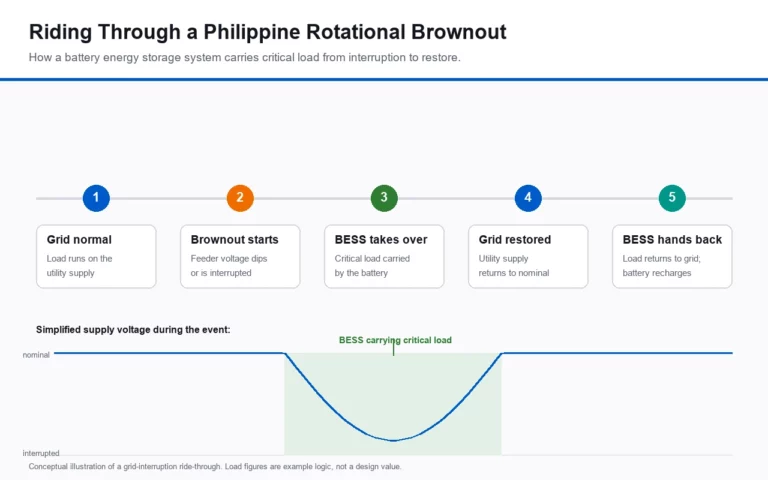
If the grid drops or shifts, the EP2 All-In-One Hybrid Energy Storage System moves to backup in under 100 milliseconds. This quick switch keeps touchy robot arms and CNC tools powered, so you avoid expensive harm and output loss. It maintains workflow during issues.
Intelligent energy management software
The unit comes with an inbuilt Energy Management System (EMS) that watches and checks your plant’s power state live. This smart program auto-adjusts fill and release plans based on your load habits and rate signs. As such, it fine-tunes daily energy use.
High-protection IP rating durability
Vietnamese business settings can prove rough, with high dampness and clear heat changes. The parts carry high ingress protection (up to IP65 for some units), which lets them run well in warm conditions without extra outer cooling needs. This build ensures steady performance.
Future-Proofing Automotive Supply Chains with EPOTR
Taking on better energy storage marks a planned outlay in the lasting nature and green side of your making trade. It turns energy from a shifting cost into a handled resource that backs your ongoing expansion.
Proven global industry expertise
When you pick a set partner, you gain from a goal aimed at forming a greener power outlook. The tech rests on a base of better power tools and smart control setups that have worked well in varied world markets. This background brings trust to implementations.
Localized technical support services
Expert advice and tech talks are key for good setup. You get aid over the whole project life, from the first energy check and tech talk to the end tech handoff and post-sale care. This full help smooths the process.
Long-term return on investment
The money gains from peak-shaving and demand charge cuts usually lead to full outlay return in a few years. This quick payoff supports business stability.
| Metric | Industry Standard without ESS | With EP2 Hybrid ESS |
| Peak Electricity Cost | 100% (High TOU Rates) | ~40-60% Savings via Shifting |
| Max Demand Charges | Uncontrolled | Optimized and Reduced |
| Outage Impact | Total Downtime & Waste | Seamless Transition/Zero Loss |
| System Longevity | N/A | 6,000+ Cycles (10+ Years) |
| Payback Period | Ongoing Expense | Estimated 3 to 5 Years |
FAQ
Q1: How long does the EP2 system take to respond during a power outage?
A: The system features millisecond-level response speeds, often switching to backup power in less than 100ms, which is fast enough to keep most industrial robotic and automated systems running without interruption.
Q2: Can the storage system work with my existing rooftop solar panels?
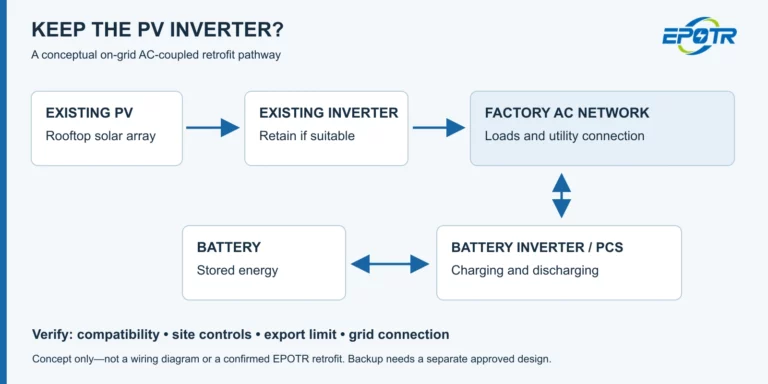
A: Yes, the hybrid design supports both AC and DC coupling, making it highly adaptable for factories that already have solar arrays installed or those planning to add them in the future.
Q3: Is the battery technology safe for a busy manufacturing plant?
A: Absolutely, the system uses LiFePO4 (Lithium Iron Phosphate) batteries, which are the safest lithium technology available, complemented by an intelligent Battery Management System (BMS) that monitors temperature and voltage for every cell.