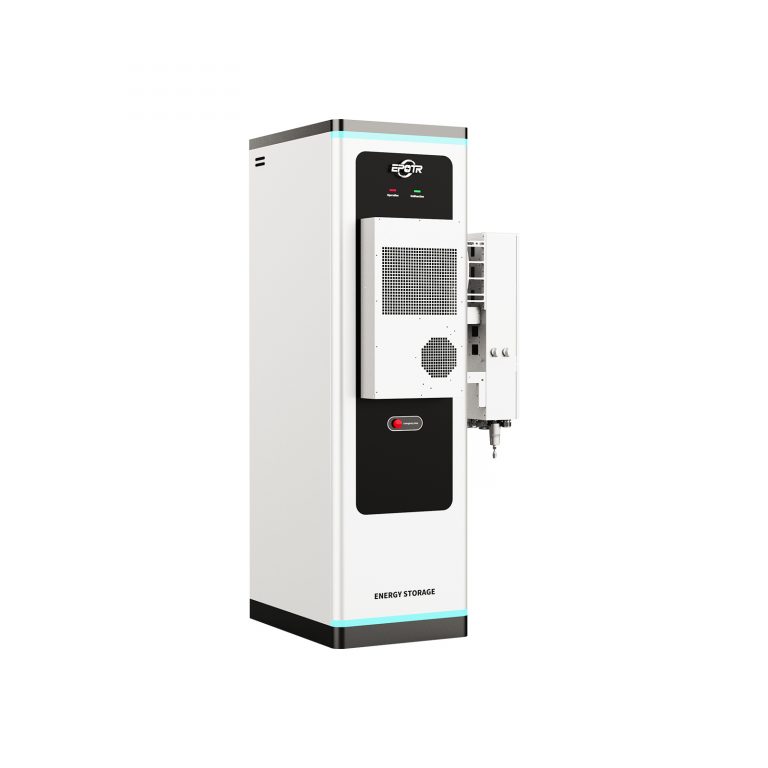

As home power needs change and grid trust drops, picking and fitting a backup energy storage system turns vital. Right sizing decides if your home can keep key loads running in a blackout. Or, it might face power cuts. This also affects the full cost over time and lasting strength of your backup plan.

If you face the tough parts of home energy storage, pick a maker that leads with new ideas, strong build, and options. EPOTR fits this goal. They use smart lithium iron phosphate battery setups, wise control tools, and world approvals for safe work and output. Their aim is “to become a global leader in energy optimization.” EPOTR mixes top power parts and clever energy plans for home and business uses.
Why Is Accurate Energy Storage System Sizing Critical for Residential Backup Planning?
Right sizing of an energy storage system (ESS) forms the base for steady power in grid failures. It makes sure your setup hits both work and money goals without loss.
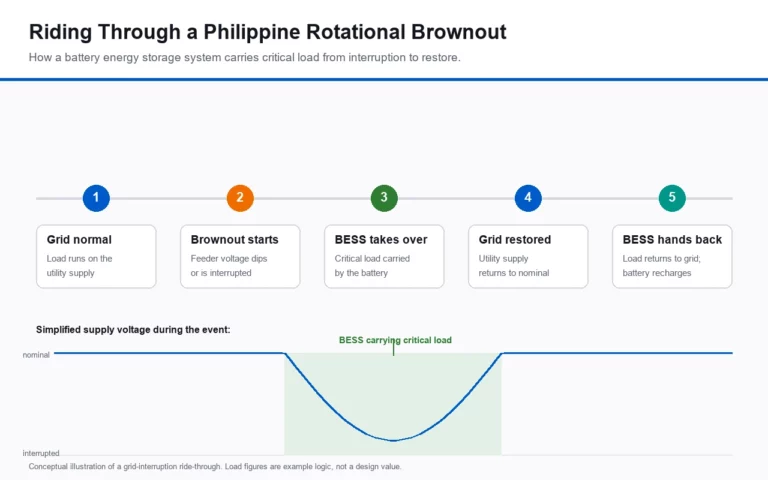
The Relationship Between Battery Sizing and Power Outage Duration
A small system might fail to hold basic loads like lights, fridge, or health tools in long blackouts. On the other hand, a big battery raises start costs without equal gains in use. This causes waste and slow return on spend. Good sized systems match storage to real needs. They boost work flow. Plus, they hold costs in check.
Factors That Influence Home Energy Storage Requirements
Day-to-day power use shapes—key peak times—help set capacity. Look at smart meter info or bills to spot habits. Blackout length and how often they hit matter too. In spots with steady issues like Nigeria, where “over 40% of the region faces chronic power instability”, plan for longer hold times. If your home has solar panels, fit must cover day charge cycles and night use. This stops lost power make.
Risks Associated with Poorly Sized Backup Systems
Bad sized systems leave you with spotty power in blackouts. This hurts safety and ease. Also, lithium-ion batteries hit hard if drained deep often or cycled light. They wear out faster. So, full cost rises from early swap or weak run.
How to Calculate the Optimal Capacity for a Home Backup Battery System
Sizing starts with clear view of loads to power, how long they need it, and battery type traits.
Estimating Daily Load Profiles and Critical Appliances
First, pick circuits key for main work—often fridge, lights, web routers, and health gear. Check bills for day kWh use guess. At start, some tools pull high bursts. Add these quick pulls when checking inverter size and battery top drain rates.
Determining Backup Duration Goals for Your System
Short hold systems cover 4–6 hours. They fit spots with quick blackouts. If in areas with long darks or off-grid life, aim for 24 hours free run. Then, “a larger capacity energy storage system is required.”
Accounting for Depth of Discharge and Efficiency Losses
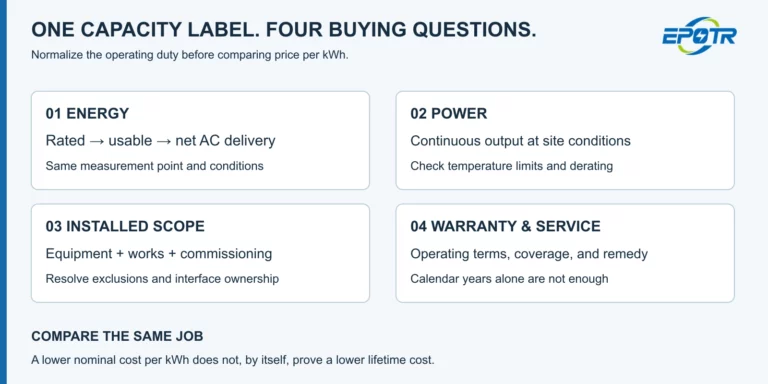
Tell nominal from usable capacity. Lithium iron phosphate batteries let up to 95% depth of discharge (DOD). But round-trip losses—often 90–95%—need count. A 10kWh named battery may give just 8.5–9kWh usable after change losses.
What Technical Specifications Should Be Prioritized in ESS Selection?
For long work and safe use, each ESS part—from cell type to approval—must hit firm field marks.
Battery Chemistry, Cycle Life, and Thermal Management Systems
Lithium iron phosphate (LFP) batteries suit home tasks for heat steady and long life. Setups with >6000 cycles at 90% DOD give better life money sense. Some add smart heat control. They keep best run between 25°C and 35°C, key in rough spots.
Inverter Compatibility and Power Output Ratings
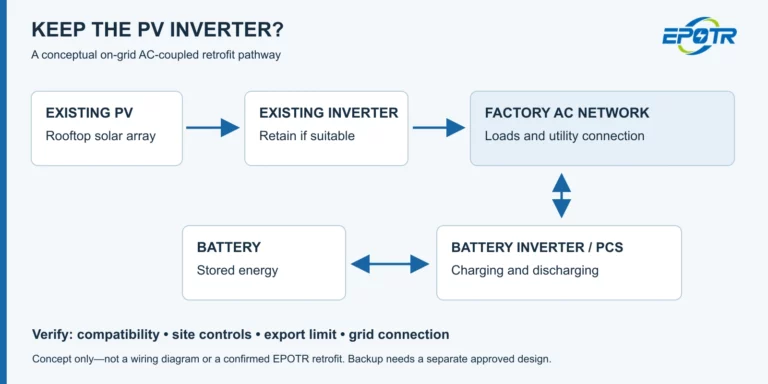
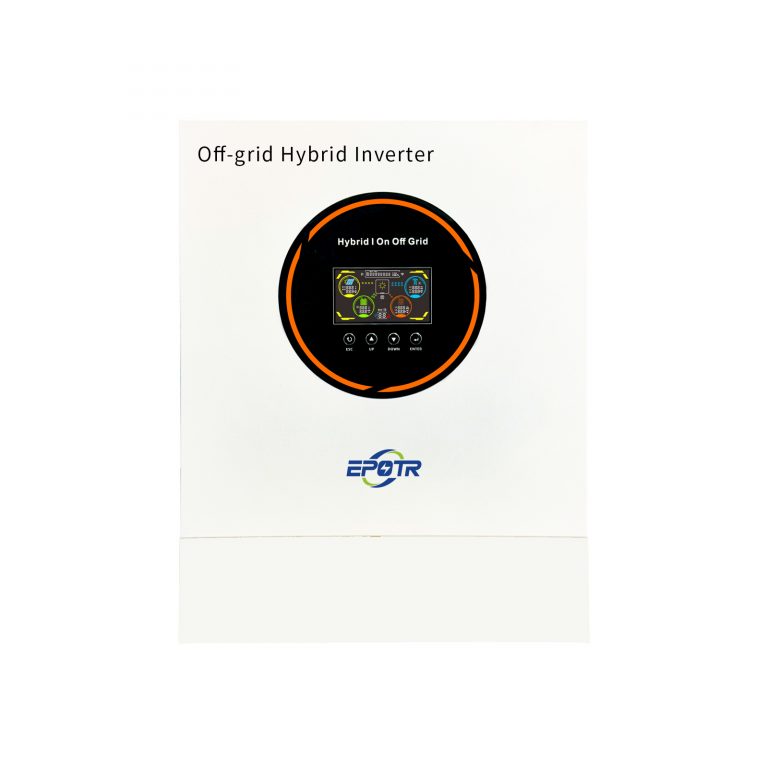
Make sure your setup works with hybrid inverters if pairing with PV. Check steady output power. Also, surge room for motor tools. For one, the Floor-standing Residential ESS gives up to 10.24kW peak drain power. It backs CAN/RS485/WiFi links for smart rule.
Safety Certifications and Compliance Standards Matter
Pick setups approved under world rules like UL1973, IEC62619, UN38.3, CE, and RoHS. These ESS Models Now CE Certified means these face tough tests for safe run and wave match.
Which EPOTR ESS Models Meet the Demands of Residential Backup Applications?
Pick goods that match room space, hold needs, and grow ease.
Floor-standing Residential ESS: High Capacity with Modular Scalability
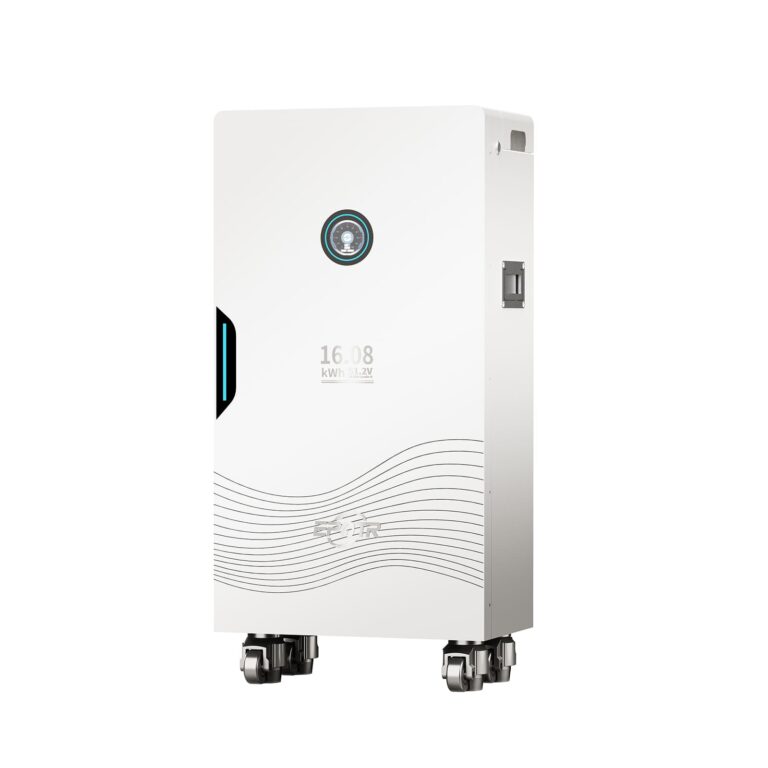
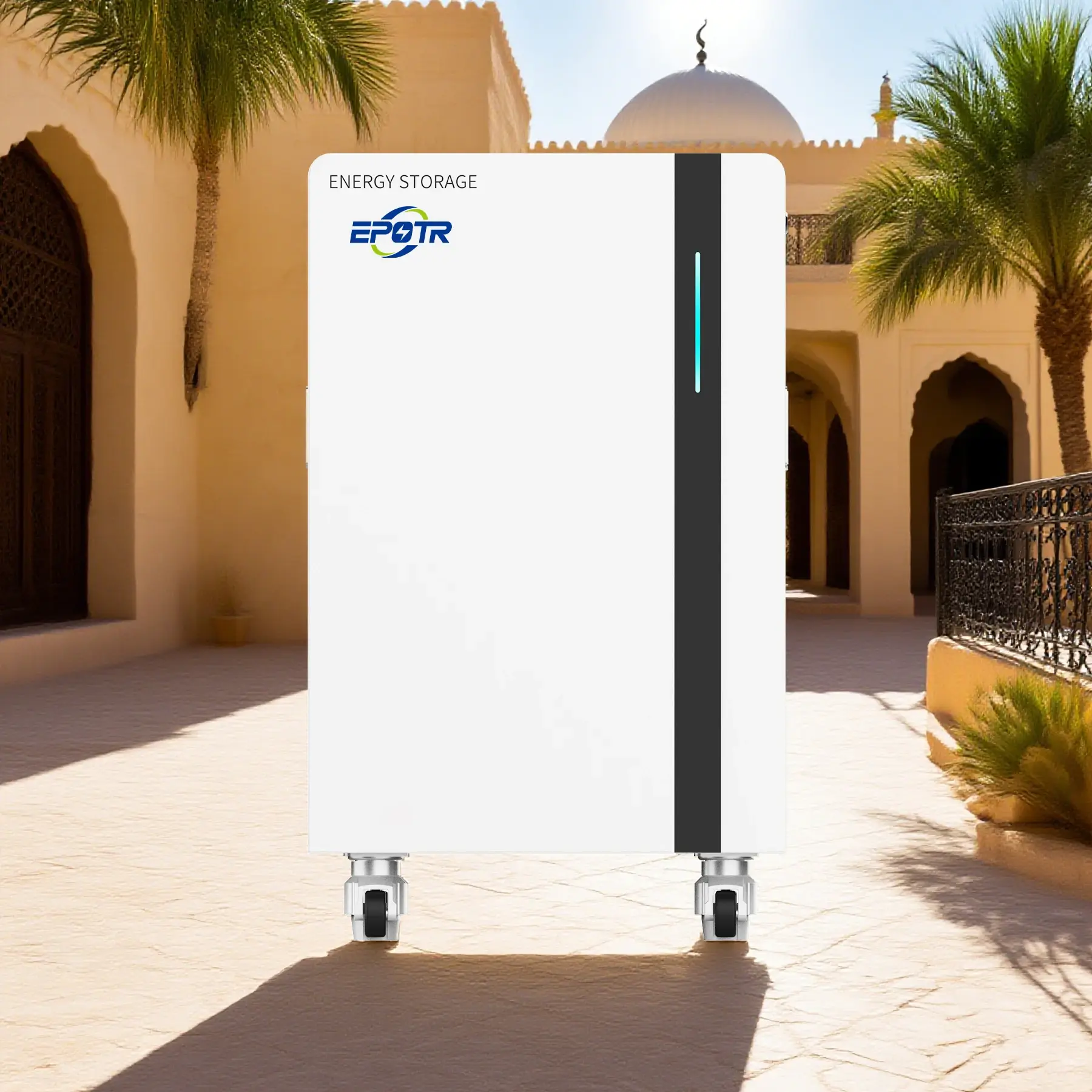
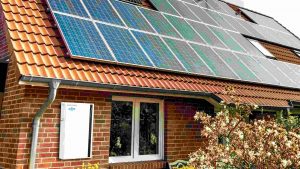
The Home energy storage system–Floor-standing ESS holds up to 11.78kWh full energy with 11kWh usable from 230Ah LFP cells. Up to 25 units link side by side for grow. Natural cool cuts care needs. Strong guards keep safe run in changing states.
Wall-mounted Residential ESS: Compact Design Without Compromise
For tight spots like city flats or tool rooms, the Wall-mounted Residential ESS gives 4.96kWh usable energy in a small 42kg unit. Yet, it links up to 20 units side by side. It puts out 5000W peak with CE approval.
Comparing EPOTR’s ESS Models for Performance and Value
Goods like the EP-FS016K mix high DOD (95%), CAN/WiFi links, over 6000 cycles life at 90% DOD, and smart battery guards for over-current, over-heat, and short guards. These also tie to smart EMS tools. They tune charge on user need habits.
How Do EPOTR Products Deliver Value Through Safety, Warranty, and Support?
Besides tech specs, post-sale help and maker trust can shape your time.
Industry Certifications That Ensure Long-term Reliability
All EPOTR home ESS units hit strict world safe rules. This includes CE for Europe fit and UN38.3 for safe move.
Warranty Policies That Reflect Product Confidence
Home units get up to five years warranty. It covers cycle-life promises tied to real use.
After-Sales Support and Global Distribution Network Advantage
A set tech help team waits via Contact Us. They give fast aid. World ship skills mean on-time send no matter where.
FAQ
Q1: How do I determine how much battery capacity my home needs?
A: Start by analyzing your average daily electricity usage from utility bills or smart meters, then identify which appliances require backup during outages.
Q2: What’s the difference between nominal and usable battery capacity?
A: Usable capacity is the actual energy available after considering depth of discharge (typically up to 95%) and efficiency losses; nominal is the total rated capacity.
Q3: Can I integrate a battery system with solar panels?
A: Yes, most systems support hybrid inverter integration allowing solar charging during the day and battery discharge at night or during outages.